
Submit CV
Explore new opportunities in healthcare.


Why Elective Recovery Cannot Be Won at the Front End Alone
 Written byMartin Watts

Long waits across England, Scotland and Wales compared
Hitting the 65% 18-week target is a huge achievement for the NHS, and one we are proud to have supported our NHS partners to reach.
The final sprint clearly paid off, but it also prompted a shift in focus towards effort that led to the most gain. In many cases, clearing patients on the 18-week pathway was prioritised ahead of clearing more challenging long waits. This shift was evident in the numbers too, with the NHS achieving the 18-week target but falling short of the ambition to reduce the proportion of patients waiting over a year to less than 1% of the overall list.
While 1.3% doesn’t sound dramatically different to less than 1%, in patient numbers there were 94,406 waiting longer than 52 weeks in England (March 2026), so 0.3% is equivalent to just over 22,000 patients.
In some more challenged trusts and health boards, the proportion of long waits is well over 5%. In Scotland, roughly 34,000 patients are currently waiting more than 52 weeks, equivalent to 5%. And while waiting lists in Wales are now at their lowest level in three years, their proportion of patients waiting over a year is currently over 19%. This points to a substantial problem that is not going away, with patients continuing to enter the 52-plus-week cohort, and little available in terms of funding or capacity to tackle the problem.
The back end is where the greatest harm sits
The longest waiters are often the patients experiencing the greatest harm, with the most to gain in quality of life from treatment. They are also more likely to come from deprived backgrounds and to have comorbidities such as diabetes or COPD, which can make their pathways more complex. Too often, this is where planned care pathways stall, because these patients are classed as higher risk or harder to treat, with fewer straightforward options for intervention.
What real recovery looks like
For me, real recovery means more than improving flow at the front end of the list, important though that is. It also means putting deliberate, operationally serious effort into the back end, taking on the harder work and the patients who cannot move as quickly through the system.
I believe the next phase of recovery needs to reflect that reality. Priority needs to shift more clearly towards specialties where long waits are most entrenched. The ambition cannot just be to improve the overall curve. It has to be about reducing real harm and making sure no patient is left to endure an unacceptable wait.
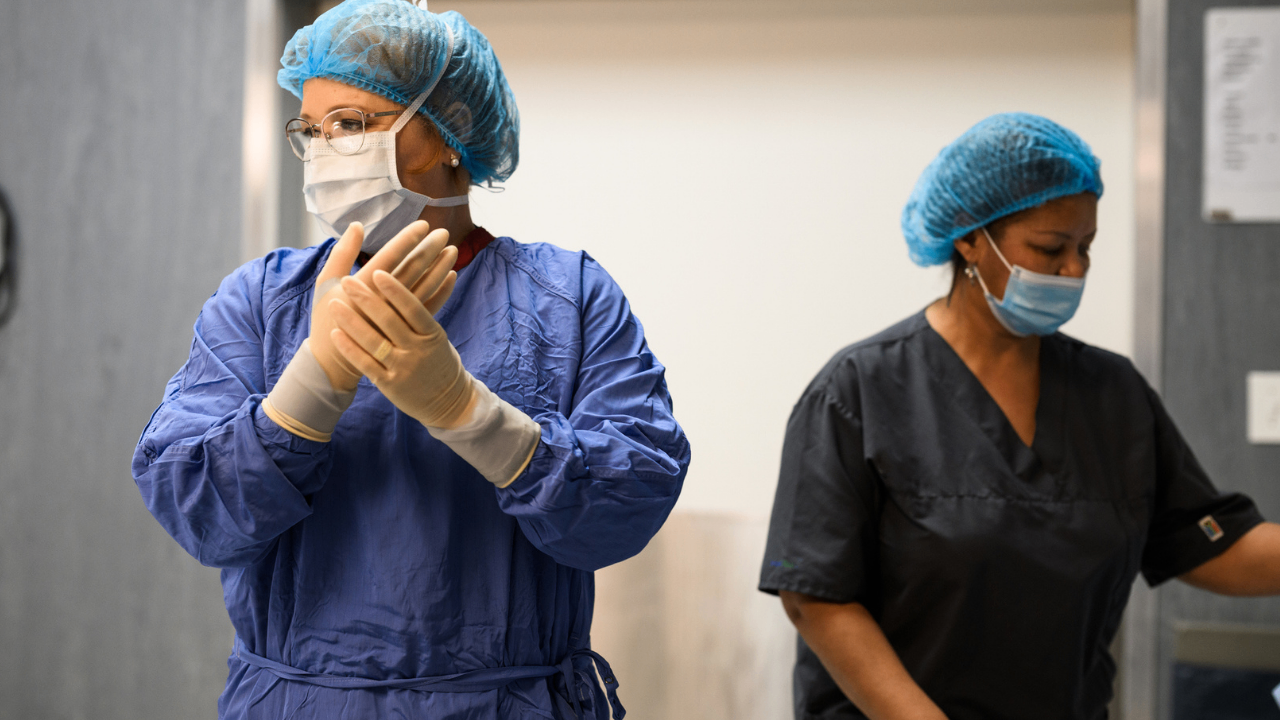
I've spent most of my working life in the NHS, leading elective services and helping departments turn around some really challenging positions. Real RTT improvement doesn't come from a team that turns up at the weekend and disappears on Monday. It comes from wrapping extra capacity, support and expertise around existing NHS delivery, creating an extension of the trust's own team.
That belief sits at the heart of the Medacs insourcing model. It enables additional capacity to be deployed more effectively, improving theatre utilisation, while building in focused support for patients facing the longest waits.
Martin Watts - Managing Director of Clinical Services


Get in touch