Submit CV
Explore new opportunities in healthcare.
About the author
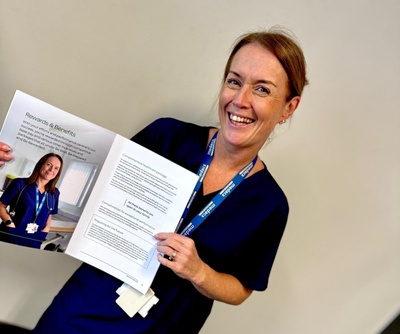
Dawn Bielby
Occupational Health Nurse
- Clinical insourcing
- Elective care
- Clinical governance
- NHS productivity
- Occupational Health
Dawn Bielby is an experienced Occupational Health Nurse with four years’ experience in occupational health and a background in community nursing.
She holds BSc qualifications in Adult Nursing and Occupational Health, specialist HAVS certification, and training across audiometry, spirometry, onshore and offshore medicals, drug and alcohol testing, absence management and vaccinations, including yellow fever.
Dawn also works with businesses and employees across a range of workplace settings to manage health risks and support a healthy, safe and productive workforce.

When people think about Occupational Health, they often assume it only becomes important when an employee is off work sick.
In reality, Occupational Health plays a much wider role in helping organisations create safer, healthier and more productive workplaces.
From health surveillance and workplace medicals to absence management and employee wellbeing, Occupational Health helps employers understand the relationship between health and work and make informed decisions that support both their people and their business.
To explain what Occupational Health really involves and how it can benefit employers, we spoke to Dawn Bielby, Occupational Health Nurse at Medacs Healthcare.

Occupational Health is about more than sickness absence
One of the biggest misconceptions about Occupational Health is that it only becomes involved when an employee is absent from work.
Dawn explains that Occupational Health looks at the health and wellbeing of the workforce, the effect work can have on health and the effect health can have on someone’s ability to work.
This proactive approach can help organisations:
- · Identify potential health concerns early
- · Support employee health and wellbeing
- · Understand and manage workplace health risks
- · Meet relevant legal and regulatory responsibilities
- · Support attendance, recovery and a safe return to work
- · Build a healthier and more supportive workplace culture
What happens during an Occupational Health assessment?
An Occupational Health assessment will depend on the referral and the service being provided.
Dawn explains that an appointment normally begins with a clear explanation of its purpose, confidentiality and consent.
The nurse will ask about the employee’s health, their job and how each may be affecting the other.
Depending on the appointment, the nurse may undertake relevant health checks, discuss possible support or workplace adjustments, or refer the case to an Occupational Health Physician where medical input is required.

Occupational Health Services can support your business.
Many companies and employers are surprised by the breadth of work carried out by an Occupational Health team.
The right service will depend on your workforce, workplace risks and the support your organisation needs.
Which Occupational Health Service is right for your business and employees.
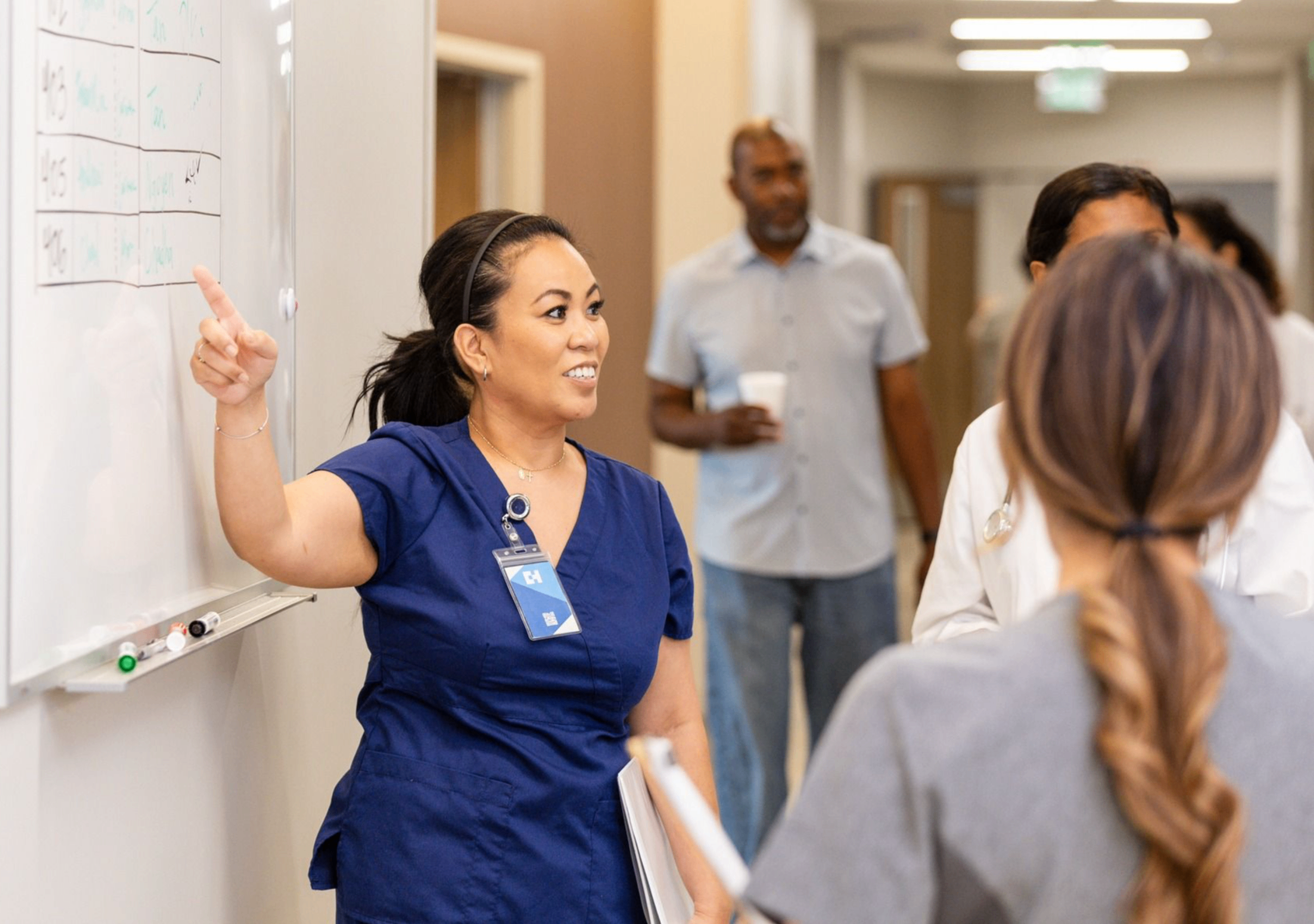
Health surveillance
Health surveillance involves planned, repeated health checks for employees who may be exposed to particular risks through their work.
Depending on the workplace and role, this may include:
- · Hearing assessments, also known as audiometry
- · Lung-function testing, also known as spirometry
- · Hand-arm vibration syndrome (HAVS) surveillance
- · Skin surveillance
- · Respiratory surveillance
These assessments can help identify signs of work-related ill health and give employers information needed to manage relevant workplace risks.
The exact programme should be based on the hazards and statutory requirements that apply to the organisation.

Workplace and specialist medicals
Occupational Health nurses may also undertake medicals for employees working in safety-critical or specialist roles.
Dawn’s work can include:
- · Safety-critical medicals
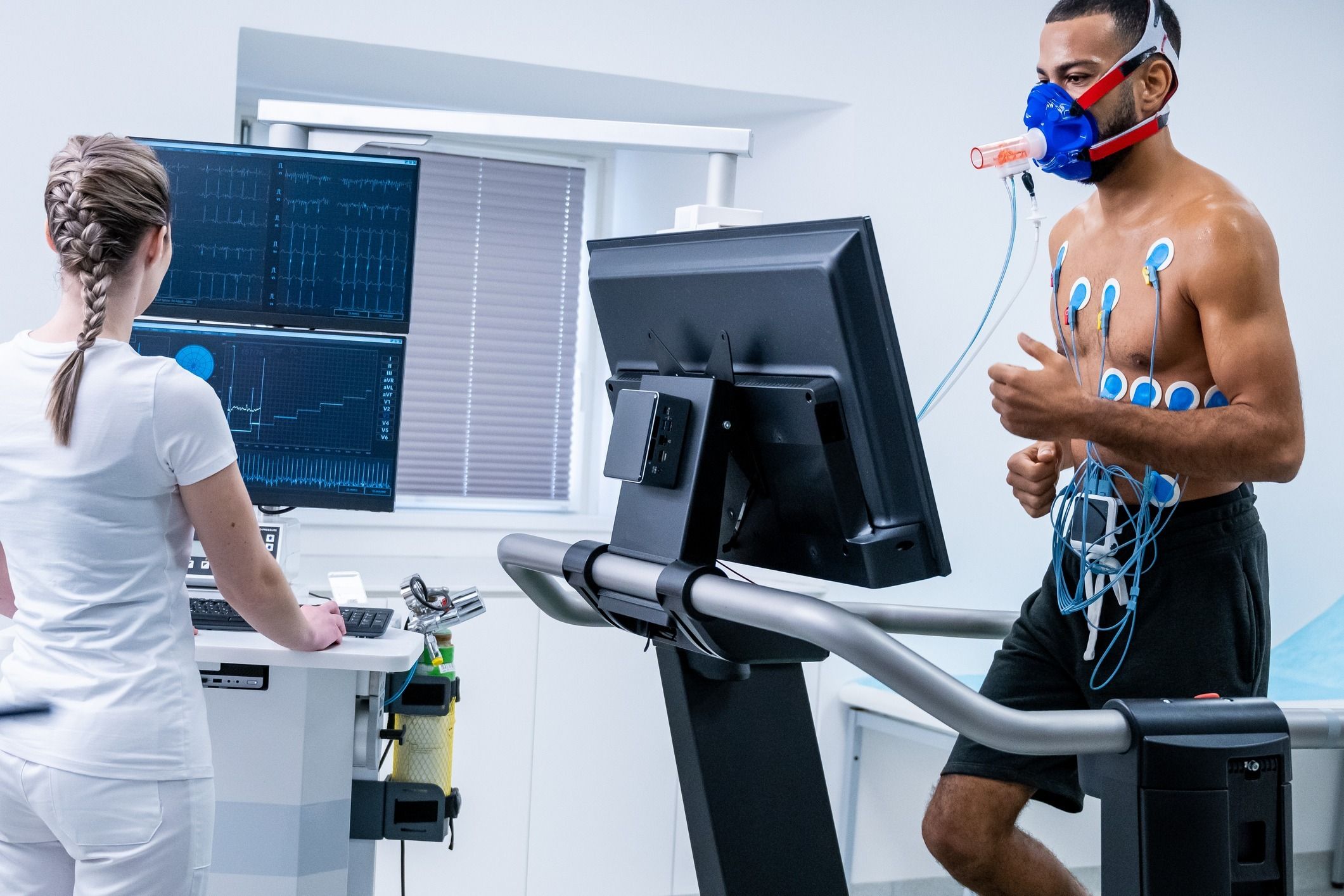
- · Emergency response team medicals, including the Chester Step Test where appropriate
- · OEUK medicals
- · Asbestos medicals
- · Lead medicals, which may include taking a blood sample
- · Other fitness-for-work assessments relevant to the role
The purpose is to assess the employee against the health requirements of the role and provide appropriate work-related advice.
It is not a replacement for diagnosis or treatment from the employee’s GP or specialist.
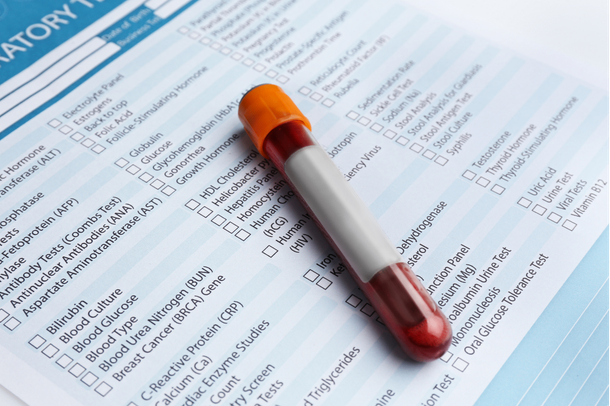
Pre-placement screening
Pre-placement screening helps an employer understand whether a prospective or transferring employee has a health condition that may affect the role, or whether support or workplace adjustments should be considered.
The assessment should focus on the requirements of the job and the individual’s ability to undertake it safely.

Sickness absence and return-to-work support
Occupational Health can provide independent advice when an employee is experiencing ill health or returning after a period of absence.
An assessment may consider how health is affecting work, how work may be affecting health, the likely barriers to returning and whether temporary or longer-term workplace adjustments could help.
Occupational health does not simply act on behalf on an employer.
Occupational Health is there to support a safe and informed conversation about health and work. It does not simply act on behalf of the employer.
A good occupational team should explain the process, the purpose of the appointment and what information may be shared.

How Occupational Health helps employers make informed decisions
One of the most valuable roles of Occupational Health is providing independent, work-focused clinical advice. This can help managers and HR teams understand the relationship between an employee’s health and the practical demands of their job.
Depending on the circumstances, the advice may help an employer consider:
- Whether an employee is currently fit for particular duties
- A safe and supported return-to-work plan
- Temporary or longer-term workplace adjustments
- Health risks linked to a role or working environment
- Whether further clinical or specialist input may be appropriate
- How to support the employee while meeting workplace responsibilities
Occupational Health provides advice.
The employer remains responsible for workplace and employment decisions, taking account of the Occupational Health advice and any other relevant information.
A real example of Occupational Health making a difference
The value of Occupational Health can become clear when a routine assessment identifies an issue that may otherwise have gone unnoticed.
Dawn recalls carrying out a routine safety-critical medical for an employee working on an industrial site. As part of the assessment, his blood pressure was checked.
The reading was high, even though he had not experienced symptoms and was not aware there might be an issue.
Dawn advised that he should not continue in the safety-critical role until he had been assessed by his GP. When he returned, he thanked her for identifying the concern. He had been placed on a treatment plan to help lower his blood pressure.
The assessment was carried out to consider fitness for a safety-critical role, but it also helped the employee access appropriate medical support for a previously unidentified health concern.
Why this matters for employers
Effective Occupational Health support can help organisations manage workplace risk while giving employees an opportunity to identify and address health concerns.
Individual outcomes will depend on the circumstances, assessment and medical advice involved.

Occupational Health
can help build trust
Some employees worry that Occupational Health is there to judge them or give the employer access to their private medical information.
Dawn sees her role differently: Occupational Health can help bridge the gap between the employee’s health and the demands of the workplace.
When an employee feels uncertain about an assessment, Dawn takes time to explain:
- · Why the assessment is taking place
- · What will happen during the appointment
- · How consent and confidentiality work
- · What information may be included in work-focused advice
- · What support or next steps may be available
That clarity can help employees engage with the process and helps employers receive useful, proportionate advice about the impact of health on work.

What makes a healthier workplace?
Occupational Health can provide expert advice, but a healthier workplace also depends on the day-to-day culture created by leaders and managers.
Dawn’s advice to employers is straightforward: listen to employees, support mental health, encourage a healthy work-life balance and create a culture in which people feel able to ask for help.
Managers and HR teams can support this by:
- · Encouraging employees to raise concerns early
- · Making referral routes easy to understand
- · Training managers to handle health conversations sensitively
- · Taking practical workplace risks seriously
- · Considering appropriate adjustments and support
- · Using health surveillance where workplace risks require it
What does a day in the life of an Occupational Health Nurse involve?
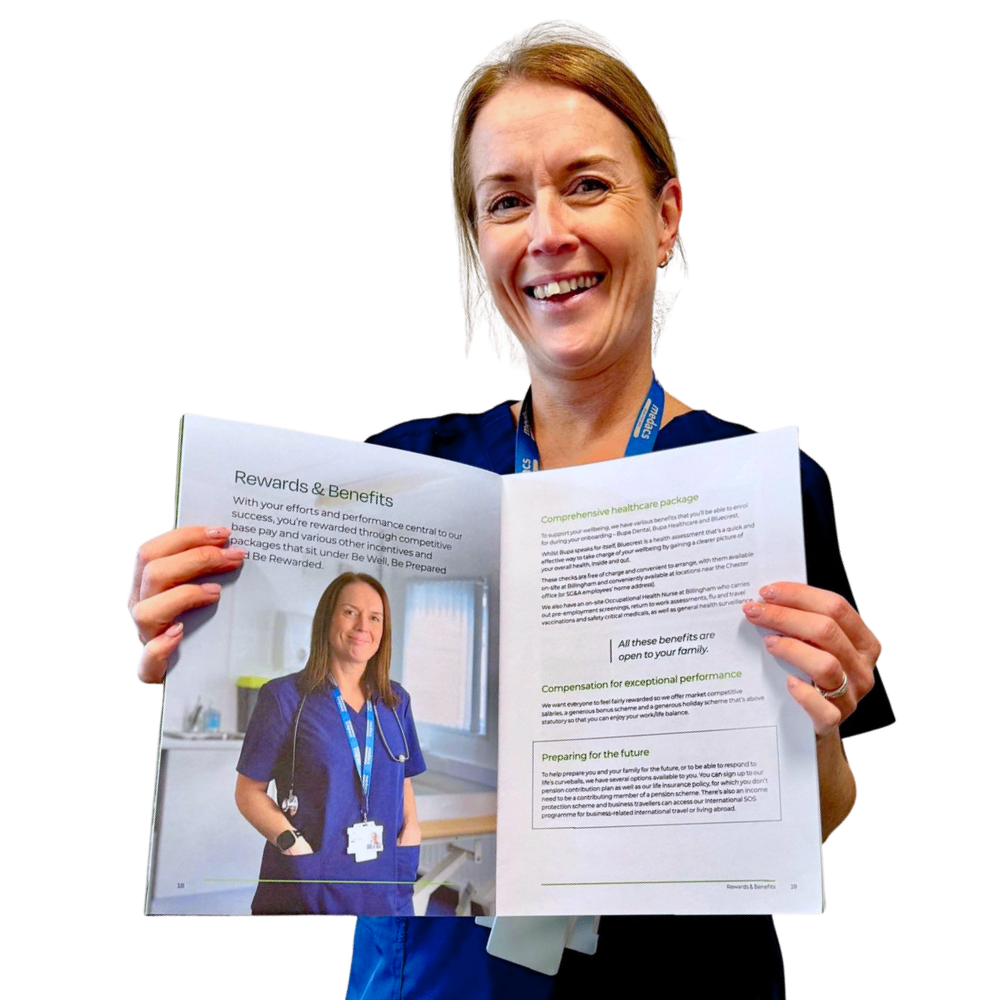
There is rarely one typical day. Dawn may start by setting up a clinic, checking the day’s appointments and calibrating audiometry and spirometry equipment.
She may also check drug-testing facilities, vaccine-fridge data and clinical stock before appointments begin.
The rest of the day could involve health surveillance, specialist medicals, pre-placement screening, absence-management assessments or report writing. The setting can range from an office or clinic to an industrial site, factory floor, school or college.
What connects each appointment is clinical judgement.
The nurse must understand the purpose of the assessment, interpret the information available and provide clear, proportionate advice while keeping the employee’s safety and confidentiality in mind.

Why Occupational Health matters
to modern businesses
Workplace health is not only an HR issue. It can affect safety, employee experience, absence, operational resilience and an organisation’s ability to meet its responsibilities.
Dawn summarises: Occupational Health helps protect employee wellbeing, supports the management of sickness absence and helps organisations understand their workplace health responsibilities.

How Medacs Healthcare can support your business
Whether you need a fully outsourced Occupational Health service or additional support for a specific part of your workforce health programme, Medacs Healthcare can work with you to understand what your organisation needs.
Depending on your requirements, support may include:
- · Health surveillance programmes
- · Safety-critical and specialist medicals
- · Pre-placement health screening
- · Sickness absence and return-to-work assessments
- · Vaccination services
- · Drug and alcohol testing
- · Workplace wellbeing support
- · Access to Occupational Health clinical expertise
The right solution should reflect your workforce, workplace risks, geographic coverage and existing internal capability.
Our team can discuss your needs and help you understand which services may be appropriate.
Speak to our Occupational Health team
If you would like to understand how Occupational Health could support your people and your business, speak to the Medacs Healthcare Occupational Health team.

Frequently asked questions
Occupational Health provides independent, work-focused health advice. This can include health surveillance, workplace medicals, pre-placement screening, sickness absence support, fitness-for-work advice and guidance on possible workplace adjustments.
Occupational Health can help employers understand health-related barriers, consider appropriate support and plan a safe return to work. It cannot guarantee a reduction in absence, as each case and workplace is different.
Occupational Health assessments should explain confidentiality, consent and what information may be shared. Reports to employers should focus on relevant work-related advice rather than unnecessary clinical detail.
No. The appropriate service depends on the organisation’s workforce, risks and needs. Smaller businesses may use particular services or referral support rather than a fully outsourced provision.
Health surveillance is a programme of repeated health checks used where employees are exposed to particular workplace risks. The type and frequency of surveillance depend on the hazard and relevant requirements.
A safety-critical medical considers whether an individual meets the health requirements associated with a role where a health issue could create a significant safety risk. The assessment required depends on the role and applicable standard.

Get in touch